
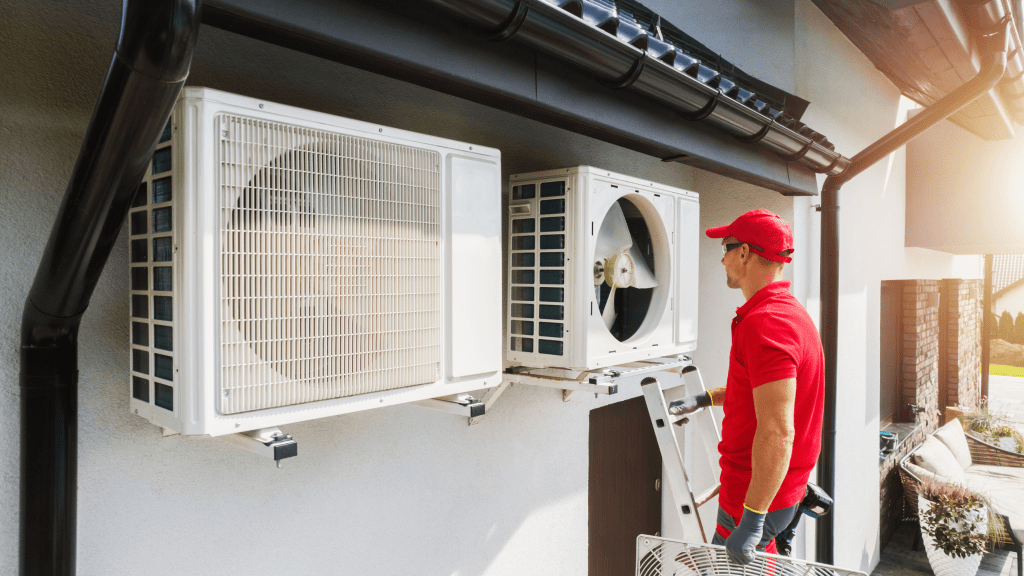
Like many others, the HVAC industry faced substantial challenges due to the COVID-19 pandemic. Manufacturers and suppliers experienced shutdowns, causing delays and price hikes for essential equipment and materials. Many HVAC companies saw their profit margins shrink as they struggled to meet demand. However, there is a ray of hope for HVAC businesses through the Employee Retention Tax Credit (ERTC) program.
In this comprehensive guide, we’ll explore how your HVAC company may qualify for ERTC funding and the steps you can take to secure the financial relief you deserve. From understanding eligibility criteria to navigating the complex application process, we’ve got you covered.
Understanding the HVAC Industry Impact
The HVAC industry is critical in maintaining comfortable living and working environments. Yet, the pandemic disrupted supply chains and manufacturing operations, directly affecting HVAC companies. Here’s how COVID-19 impacted the industry:
Supplier and Manufacturer Shutdowns
Supplier and manufacturer facilities shutdowns disrupted the production and delivery of HVAC equipment, components, and materials. This led to delays in project timelines for HVAC companies.
Price Volatility
The scarcity of HVAC equipment and materials caused prices to surge. HVAC businesses had to absorb these increased costs, which eroded their profit margins.
Revenue Declines
Many HVAC companies experienced quarterly revenue declines in 2020 and 2021 due to supply chain disruptions and delayed projects. These revenue losses had a significant impact on their financial stability.
ERTC: A Lifeline for HVAC Companies
The Employee Retention Tax Credit program was established to provide financial relief to businesses adversely affected by the pandemic. HVAC companies can benefit from ERTC in several ways:
- Refundable Tax Credit. ERTC is a refundable tax credit, which means it can provide a direct financial boost to your HVAC company. You can receive funds even if you paid little or no income taxes.
- Up to $26,000 per Employee. You can receive up to $26,000 in ERTC funds per employee depending on your eligibility. This substantial financial support can help offset the challenges caused by the pandemic.
- Available for 2020 and 2021. ERTC is not limited to 2020; it’s also available for 2021. Eligible employers can claim the credit for both years, providing an opportunity to recover lost revenue and stabilize finances.
Navigating the ERTC Qualification Process
While some CPAs or accounting firms might have discouraged HVAC companies from pursuing ERTC, the truth is that many of them are indeed eligible. Here’s what you need to consider to qualify for ERTC funding:
Revenue Declines. Even if your HVAC company didn’t experience a yearly revenue decline, you may still qualify for ERTC. You meet essential eligibility criteria if you face supply chain disruptions, government-mandated shutdowns, or quarterly revenue declines.
Government Orders. If your business operations were partially or fully suspended due to local, state, or federal government orders related to COVID-19, you likely qualify for ERTC. These orders include restrictions on hours of operation or capacity.
Supply Chain Challenges. HVAC companies that struggled to source equipment and materials due to supply chain issues can make a strong case for ERTC eligibility. The impact of supplier and manufacturer shutdowns is a valid reason to seek ERTC funds.
Quarterly Revenue Declines. The ERTC program considers quarterly revenue declines when assessing eligibility. If your HVAC business experienced significant quarterly revenue drops in 2020 and 2021 compared to the same periods in 2019, you meet this requirement.
Maximizing ERTC Benefits for Your HVAC Company
Now that you understand the qualification criteria maximizing the benefits of ERTC for your HVAC business is essential. Here are some critical steps to ensure you secure the funding you deserve:
- Document Your Challenges. Maintain clear records of how supply chain disruptions, government orders, and revenue declines impacted your HVAC company. Detailed documentation will strengthen your ERTC claim.
- Consult ERTC Specialists. Partnering with ERTC specialists who understand the HVAC industry can be invaluable. They possess the expertise to navigate the complex ERTC application process and maximize your refund.
- Retroactive Claims. Remember that ERTC is retroactive. You can claim funds for both 2020 and 2021 if you meet the eligibility criteria for those periods.
- Employee Retention. ERTC encourages businesses to retain employees. Ensure you have accurate payroll records and demonstrate your commitment to employee retention.
- Stay Informed. Stay updated on any legislative changes or extensions to the ERTC program. This can impact your eligibility and the amount of funding you can receive.
Stay informed
The HVAC industry faced significant challenges during the COVID-19 pandemic, but ERTC offers a lifeline for businesses like yours. By understanding the eligibility criteria, documenting your challenges, and seeking expert guidance, you can secure the ERTC funds your HVAC company deserves. These funds can help stabilize your finances, offset losses, and pave the way for a brighter future in the post-pandemic landscape. Take advantage of this opportunity to thrive once again.
 Solutions by Mike Miller, CPA